
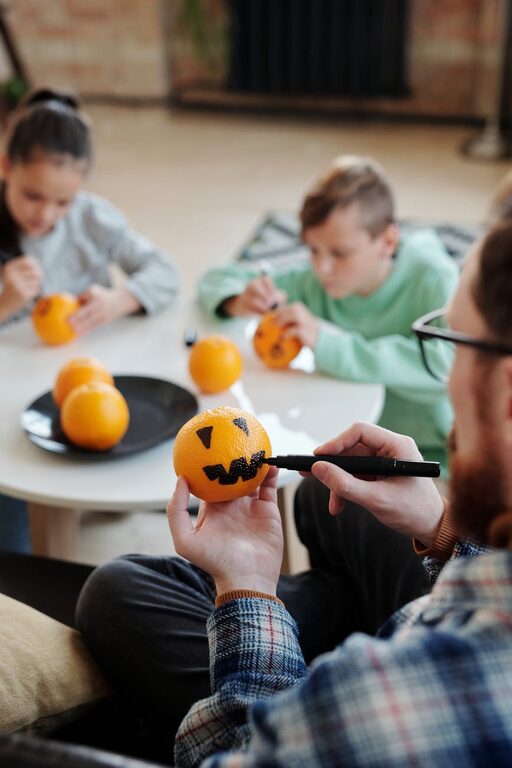
Children’s artwork is a wonderful window into their creativity and growth. From finger paintings and colorful drawings to craft projects, these masterpieces often pile up quickly, leaving parents wondering how to manage the overflow. Organizing kids’ art not only preserves memories but also helps keep your home tidy and stress-free.
In this post, we’ll explore practical and fun tips to keep your child’s artwork organized. Whether you’re dealing with paper pieces or three-dimensional creations, there are solutions that suit every family and space.
Why Organizing Kids’ Art Matters
Kids’ art can feel priceless because it represents their imagination and effort. However, the sheer volume of pieces created over time can become overwhelming. Without a clear system, the art can end up damaged, lost, or cluttering valuable spaces.
Organizing artwork helps to:
– Preserve special memories
– Encourage children’s pride in their work
– Maintain an orderly and welcoming home
– Make it easy to revisit and share art later
1. Create a Dedicated Art Display Area
One of the simplest ways to manage kids’ art is by showcasing it. A rotating display not only celebrates their creativity but also limits how many pieces are out at once.
Ideas for Display Spaces:
– Corkboards or Magnetic Boards: Hang these in common areas or your child’s bedroom for easy pinning and swapping
– Frames with Openings: Use frames designed for easy art changes so you can update the display regularly
– String and Clips: Hang a string or wire and use clothespins to hang artwork in a casual gallery style
Rotate art every few weeks to keep the display fresh and avoid overcrowding.
2. Use Portfolios or Art Binders
For artwork you want to keep but aren’t displaying, portfolios or binders with plastic sleeves make excellent storage tools.
How to Create an Art Binder:
– Get a large three-ring binder or an expandable portfolio folder
– Use sheet protectors to slide individual artworks inside
– Add labels with dates or descriptions to help track progress over time
Portfolios keep art flat and protected, and they’re easy to store on shelves or under beds.
3. Digitize Artwork for Long-Term Storage
Digital storage is a great way to preserve kids’ art while saving physical space.
Tips for Digitizing:
– Take high-quality photos or scans of drawings and crafts
– Organize images into folders on your computer or cloud storage by year or grade
– Use apps designed for artwork storage to create digital galleries or photo books
Once digitized, you can print favorites in smaller albums or gifts without keeping every original piece.
4. Establish a Sorting Routine
Set a regular schedule, such as monthly or quarterly, to sort through new art. Involve your child to make it a fun activity.
Sorting Steps:
– Decide which pieces to display, store, digitize, or recycle
– Encourage your child to choose their favorites
– Store or discard respectfully to prevent clutter buildup
Regular sorting prevents accumulation and makes decisions easier over time.
5. Craft Creative Storage Solutions
Some kids’ art includes 3D projects like sculptures or decorated items, which can be harder to store.
Storage Ideas for 3D Art:
– Use clear plastic bins with labels, stacking them neatly in closets or storage spaces
– Designate a “special projects” shelf or corner for display or short-term keepsakes
– For bulky pieces you want to keep long-term, consider photographing them and giving away or recycling the originals if needed
6. Repurpose Art for Gifts and Decor
Turning children’s artwork into useful items helps reduce piles and creates meaningful keepsakes.
Repurposing Ideas:
– Make greeting cards or gift wrap from drawings
– Create calendars, mugs, or t-shirts featuring scanned images of their art
– Use framed art to decorate your home or gift to family members
This approach celebrates their creativity in new ways while clearing out storage.
7. Encourage a Minimalist Approach
Teaching kids to appreciate quality over quantity can help manage art clutter.
Tips for Encouraging Mindful Artkeeping:
– Help children select the very best pieces to keep each month
– Focus on meaningful art that reflects milestones or special moments
– Limit the number of artworks saved per year or school term
This gently cultivates decision-making skills and respect for space.
Conclusion
Organizing kids’ artwork doesn’t need to be a stressful chore. With a few simple systems in place—like art displays, binders, digital backups, and regular sorting—you can cherish your child’s creativity without feeling overwhelmed. Remember, the goal is to celebrate their artistic journey while maintaining a calm and organized home.
Start small, involve your children, and enjoy the process of preserving these precious memories for years to come.
