
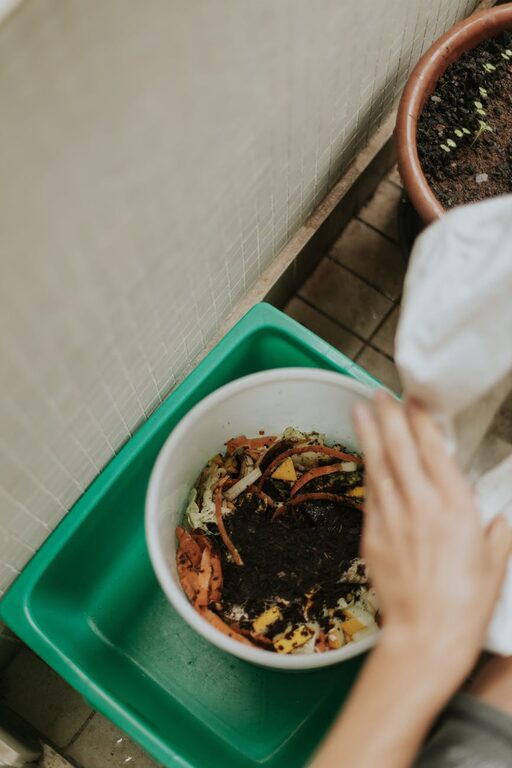
Composting is a fantastic way to reduce kitchen waste and create nutrient-rich soil for your garden. If you’re new to composting, the process may seem confusing at first. But with a few simple tips, you can start a successful compost pile or bin right in your backyard or even indoors. This beginner-friendly guide will walk you through the essentials of home composting, helping you make the most of your organic waste while benefiting your plants.
What Is Composting?
Composting is the natural process of breaking down organic materials like vegetable scraps, leaves, and grass clippings into a dark, crumbly substance called compost. This compost is rich in nutrients and can be used to improve soil health and support plant growth. Instead of sending food waste to the landfill, composting lets nature recycle it back into the earth.
Why Compost at Home?
There are several benefits to composting at home:
– Reduces waste: Food scraps and yard waste make up a large part of household trash. Composting keeps this material out of landfills.
– Improves soil: Compost enriches soil, helping plants grow stronger.
– Saves money: Reduces the need to buy fertilizers or soil conditioners.
– Supports the environment: Composting helps decrease greenhouse gas emissions from organic waste.
Getting Started: What You Need
Before you start composting, gather a few basic items:
– Compost bin or pile: You can buy a compost bin or make a simple pile in your yard.
– Kitchen scraps: Fruit and vegetable peels, coffee grounds, eggshells.
– Yard waste: Grass clippings, leaves, small branches.
– Water: To keep your compost moist.
– Aeration tool: A garden fork or compost aerator helps mix the pile.
What to Compost: The Basics
Knowing what materials to compost is a key step. Compostable materials fall into two categories: “greens” and “browns.”
Greens (Nitrogen-rich):
– Fruit and vegetable scraps
– Coffee grounds and filters
– Tea bags (make sure they’re compostable)
– Fresh grass clippings
– Plant trimmings
Browns (Carbon-rich):
– Dry leaves
– Straw or hay
– Shredded paper and cardboard (avoid glossy paper)
– Sawdust (from untreated wood)
– Small twigs and branches
Avoid composting meat, dairy, oils, pet waste, and diseased plants, as these can create odors, attract pests, or harm your compost.
How to Start Composting at Home
- **Choose a location**: Pick a dry, shady spot near a water source for your compost bin or pile.
- **Build the base**: Start with a layer of coarse materials like twigs or straw. This helps air circulate at the bottom.
- **Add layers**: Alternate between green and brown materials. Aim for roughly a 2:1 ratio of browns to greens.
- **Moisten the pile**: Compost should be as damp as a wrung-out sponge. If it’s too dry, add water; if too wet, add more browns.
- **Turn the compost**: Every 1-2 weeks, use a garden fork to mix the pile. Turning aerates it and speeds up decomposition.
- **Wait and monitor**: Composting can take anywhere from 2 months to a year. Monitor moisture and smell; a healthy pile smells earthy.
Tips for Success
– Chop materials: Smaller pieces break down faster.
– Avoid compacting: Keep the pile loose to allow airflow.
– Keep critters away: Use a closed bin or cover food scraps to deter pests.
– Be patient: Composting takes time but rewards you with healthy soil.
Composting Indoors
If you don’t have outdoor space, indoor composting options like worm bins (vermicomposting) or small electric composters can work well. They handle kitchen scraps efficiently and reduce odors when properly maintained.
Using Your Finished Compost
Once your compost looks dark and crumbly with an earthy smell, it’s ready to use. Apply it to your garden beds, potted plants, or lawn to:
– Improve soil texture and drainage
– Increase nutrient content
– Support beneficial microorganisms
Final Thoughts
Starting to compost at home is easier than you might think. By following these beginner tips, you’ll help reduce waste, enrich your soil, and join a growing community of eco-friendly gardeners. Happy composting!
