
Reducing food waste at home is a great way to save money, conserve resources, and help the environment. Every year, millions of tons of food are wasted around the world, much of it in our own kitchens. By making small changes in how we shop, store, and use food, we can make a big difference. In this post, we will explore practical and easy ways to reduce food waste at home.
Why Reducing Food Waste Matters
Before diving into strategies, it’s helpful to understand why food waste matters. Wasting food means wasting the water, energy, and labor that went into producing, transporting, and storing that food. It also contributes to greenhouse gas emissions when food ends up rotting in landfills. By cutting down on food waste, you not only save money but also support a healthier planet.
Plan Your Meals and Shop Smart
Make a Weekly Meal Plan
Start by planning your meals for the week. Writing a meal plan helps you know exactly what ingredients you need, reducing the chance of buying items you won’t use.
Create a Detailed Shopping List
Use your meal plan to make a precise shopping list. Stick to the list to avoid impulse buys that might spoil before you use them.
Shop When Hungry
Shopping on an empty stomach can lead to unnecessary purchases. Eat before you shop to make better choices.
Practice Proper Food Storage
Understand Storage Needs
Different foods need different storage methods. For example, potatoes and onions keep best in a cool, dark place, not in the fridge, while berries should be refrigerated.
Use Airtight Containers
Store leftovers and perishable items in airtight containers to extend freshness and prevent spoilage.
Label and Date Leftovers
Label containers with the date so you can use older items first and avoid forgetting what’s in your fridge.
First In, First Out (FIFO) System
Organize pantry and fridge items so that older products are in front and used before newer ones.
Use Leftovers Creatively
Reinvent Meals
Leftover vegetables and proteins can be turned into soups, stir-fries, or casseroles. This reduces waste and adds variety to your meals.
Freeze Excess Food
Many cooked dishes freeze well. Freezing prevents spoilage and provides easy meals for busy days.
Compost Food Scraps
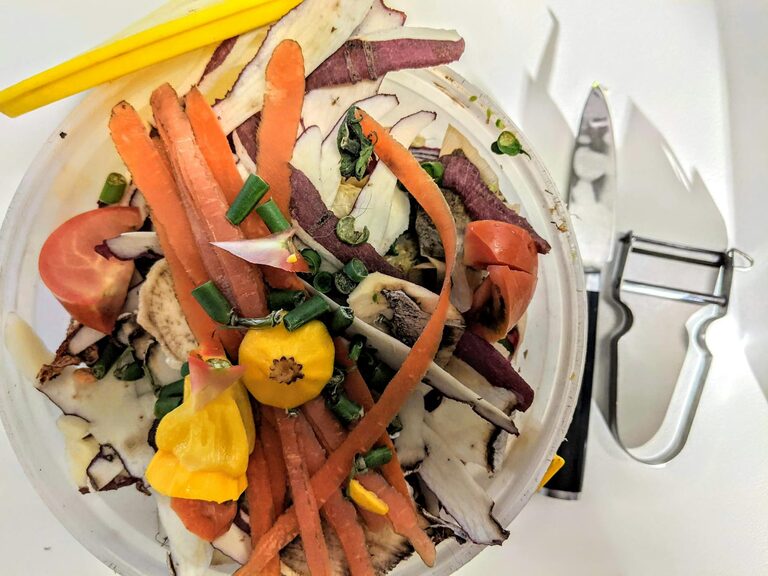
If there are unavoidable scraps like vegetable peels or coffee grounds, compost them to reduce landfill waste and create nutrient-rich soil.
Monitor Portions and Serving Sizes
Serve Smaller Portions
Taking smaller portions helps reduce uneaten food left on plates. You can always go back for seconds if still hungry.
Encourage Mindful Eating
Being aware of hunger cues and eating slowly helps people avoid overeating and reduces food waste.
Check Use-By and Best-Before Dates
Understand the Difference
“Use-by” dates are about food safety, while “best-before” dates indicate quality. Foods can often be safely eaten after the best-before date.
Use Your Senses
Check the look, smell, and texture of food to decide if it is still good rather than relying solely on dates.
Share and Donate Surplus Food
Share with Family and Friends
If you have leftovers or extra groceries you won’t use, consider sharing them with neighbors or friends.
Donate to Local Food Banks
Some local organizations accept food donations in good condition, helping those in need while preventing waste.
Educate and Involve Your Household
Teach Children About Food Waste
Involving children in planning, cooking, and storing food encourages good habits early on.
Make It a Team Effort
Encourage everyone in the household to be conscious of food waste and suggest ideas for improvement.
Conclusion
Reducing food waste at home doesn’t require drastic changes. By planning meals, storing food correctly, using leftovers, and being mindful, you can significantly cut down on waste. These efforts save money, time, and resources while contributing to a healthier planet. Start implementing these simple steps today and see how much of a difference you can make.
—
By taking small, consistent actions, reducing food waste becomes a natural part of everyday life. You’ll enjoy fresher meals, lower grocery bills, and the satisfaction of helping the environment. Give these tips a try and share your own food-saving ideas in the comments!
